What is Die Casting?
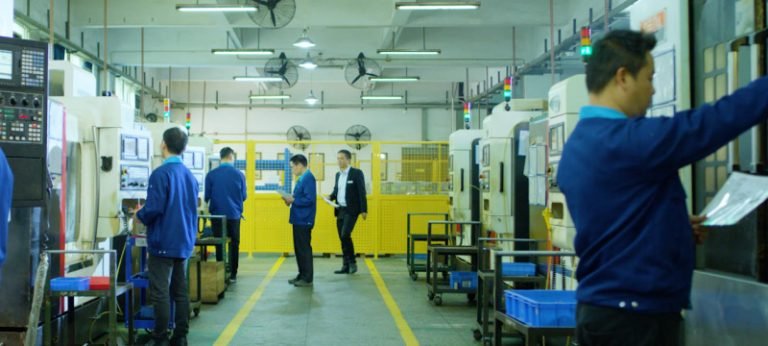
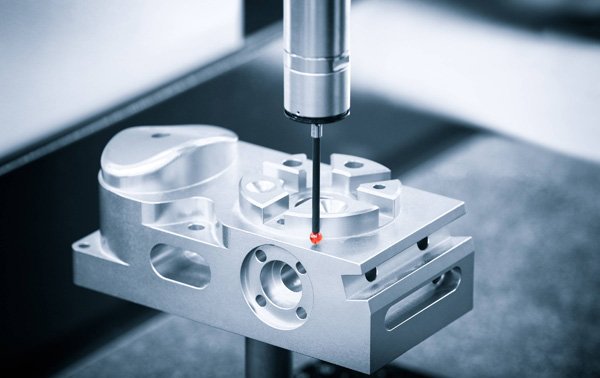
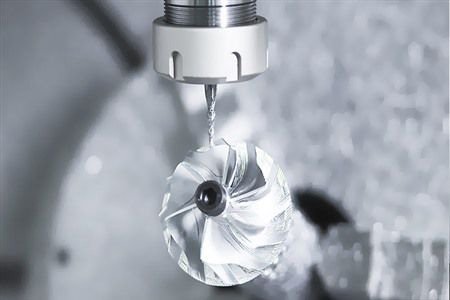
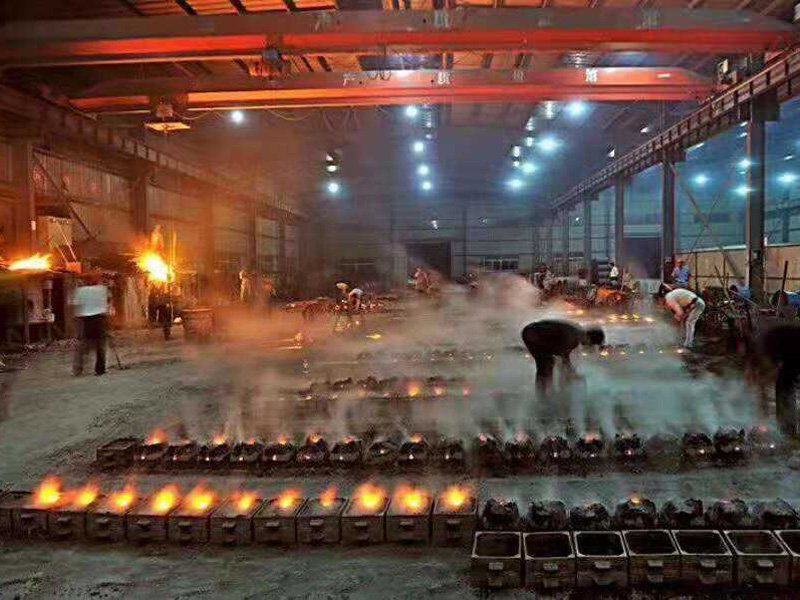
Die casting is a metal-forming process in which liquid metal or alloy is injected into a mold by applying high pressure, allowing it to cool and solidify in the mold to create the desired product shape. Die casting is a highly efficient metal molding process, usually applied to mass production, especially suitable for the manufacture of complex shapes and high precision metal parts.
Classification of Die Casting Process
Based on the Melting Point of the Metal Material
- Cold Chamber Die Casting: This process is characterized by the mold does not directly contact the furnace, which is very suitable for dealing with high melting point metal materials, such as aluminum alloy. The cycle time for this process is longer because it involves the transfer of liquid metal and additional cooling time.
- Hot Chamber Die Casting: A process characterized by the fact that a portion of the die is located inside a preheated furnace, enabling shorter cycle times. Suitable for low melting point metals or alloys, it is the perfect method for working with low melting point materials such as zinc, tin, lead and magnesium alloys.
Based on Injection Pressure
- High Pressure Casting: Molten metal is injected into a pre-designed and fabricated mold under high pressure, and then cooled so that the metal solidifies to form the desired part. It is mainly used to manufacture high-precision, high-density metal parts.
- Low Pressure Casting: Filling of mold cavities by continuous injection of liquid metal or alloy at low pressure, usually in the range of 1 to 15 bar. Especially suitable for casting large aluminum alloy parts.
- Gravity Die Casting: The liquid metal or alloy is used to fill the mold cavity by gravity to form the desired shape of the product. For complex shaped parts, gravity casting may not be as flexible as other die casting methods.
- Vacuum Die Casting: An advanced die casting process that combines vacuum technology and high pressure casting technology. The vacuum environment reduces or eliminates porosity and dissolved gases within the casting, which improves the mechanical properties and surface quality of the casting.
Process of Die Casting
Mold Preparation
Design the mold according to the shape and size of the final product. The mold generally consists of two halves, including the fixed half of the mold and the movable half.
The mold is usually made of high strength and high thermal conductivity material, such as alloy steel, to withstand high temperature and high pressure working environment.
Melting Metal
The heating of a metal or alloy in a furnace to a liquid state.
The appropriate metal or alloy is selected according to the requirements of the product and the field of application.
Control the chemical composition and temperature of the molten metal as necessary.
Injection
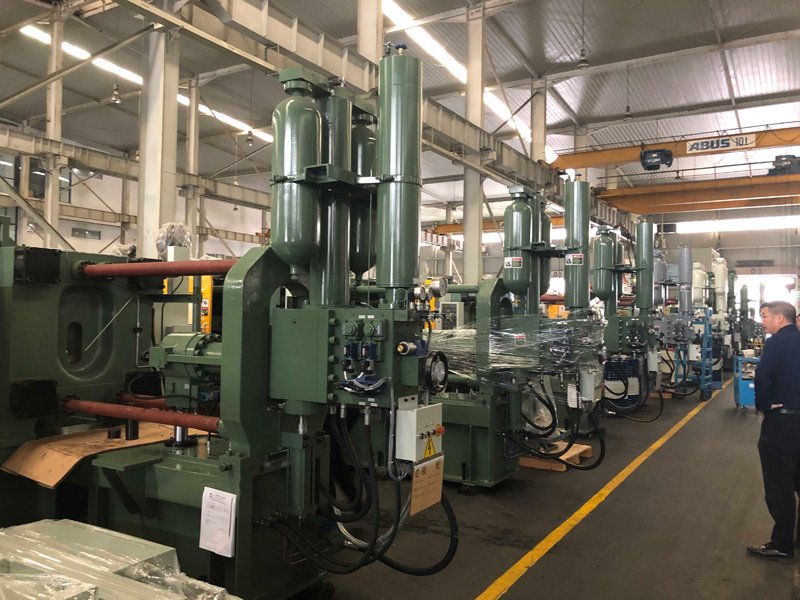
Liquid metal is injected into the mold cavity at high pressure using hydraulic systems.
The filling rate and pressure are controlled to optimize the quality of the casting.
High pressure is applied to ensure that the metal fully fills the mold to ensure part accuracy and integrity.
Cooling and Solidification
The metal is rapidly cooled and solidified in the mold to form the desired product shape.
In some cases, it may be necessary to accelerate the cooling process through a cooling system inside the mold. Faster cooling helps to increase productivity.
Mold Opening and Demolding
Opening the mold separates the fixed and movable mold halves.
Removing the finished product, which usually requires an exhaust system or ejector mechanism in the mold to facilitate smooth release of the finished product.
Cleaning and Finishing
The removed casting usually needs to be cleaned, including removal of burrs, flash and other excess material from the casting.
For more demanding applications, further finishing operations such as polishing, cutting, grinding, may be required.
The castings may require subsequent heat treatment to adjust the properties of the material, as well as surface treatment such as coating or painting.
Testing
Check the quality and dimensions of the castings for compliance with drawings and specifications.
Non-destructive testing, such as X-ray flaw detection, is performed to check for internal defects.
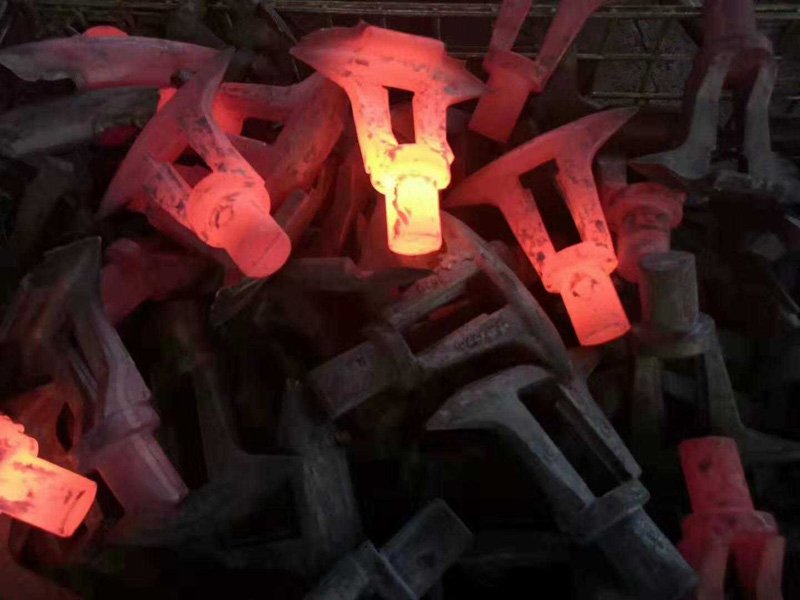
Finishing of Die Casting Part Surfaces
Grinding
Through the grinding operation, the unevenness, porosity, residue and other impurities on the surface of the casting are removed to achieve higher dimensional accuracy and surface quality. Grinding can be done by selecting appropriate methods according to specific needs, using different abrasives, grinding tools and grinding equipment.
Polishing
Remove defects and unevenness on the surface of castings by physical or chemical means. Polishing improves the appearance of castings and adds decorative qualities to the product, as well as contributing to surface quality and corrosion resistance. Polishing is aimed at removing surface abrasions, grinding marks, oxidized layers, and residues to obtain a finer and smoother surface.
Sandblasting
Removes oxidized skin, residues, sand holes and other undesirable surface imperfections by impacting the casting surface with sand particles blasted in a high velocity air stream. This process improves the appearance of the casting, increases its corrosion and wear resistance, and provides a good substrate for subsequent painting or coating processes.
Chemical Treatment
Oxide and grease are removed through the use of chemical solutions or coatings. This treatment can help remove oxidation, improve surface finish, increase corrosion resistance, achieve specific surface characteristics, and also assist in subsequent processes such as painting. Chemical treatments include acid pickling, alkaline cleaning and plating. The choice depends on the material of the casting, the design requirements, and the purpose of the end product.
Spraying
A thin film of material is sprayed on the surface of the casting to improve surface properties, enhance appearance, increase corrosion resistance, enhance abrasion resistance, and more. This treatment is often used to add a decorative touch to a product for protecting the surface of a casting, or to provide a special functional coating.

Alloys Commonly Used in Die Casting
Aluminum Alloy
One of the most commonly used alloys for die casting. It has good fluidity, thermal conductivity and mechanical properties, as well as light weight and corrosion resistance. Common aluminum alloy die casting materials include A380, A383, A360, and so on.
Advantages
- Aluminum alloy die castings have high dimensional accuracy and can meet the requirements of precision machinery and equipment.
- Aluminum alloy has good corrosion resistance to common corrosive media.
- Aluminum alloy die casting is suitable for mass production, which can quickly manufacture a large number of identical or similar parts.
- Aluminum alloy has a good strength-to-weight ratio, so aluminum alloy die casting products are usually relatively lightweight. This can reduce the weight of the whole equipment and improve the efficiency of transportation and use of the equipment.
- Aluminum alloy die castings usually have good surface gloss and casting performance.
- Aluminum alloy is a recyclable material, which meets the concept of sustainable development.
Zinc Alloy
Good flowability, corrosion resistance and surface treatment properties. Usually used for manufacturing small parts and decorative products. Common zinc alloy die casting materials include the Zamak series, such as Zamak 3 and Zamak 5.
Advantages
- Zinc alloy has excellent fluidity and is able to fill small voids in the mold, resulting in complex, detailed parts.
- Zinc alloy die castings have high strength and hardness, which can meet some application scenarios that require high strength.
- Zinc alloy has a relatively low melting point, which means that lower temperatures can be used in the manufacturing process, reducing energy consumption.
- Zinc alloys are easy to work with and can be further processed through a variety of machining methods such as cutting, stamping and welding.
- Zinc is a recyclable material that can be reused through recycling, helping to reduce waste of resources.
- Zinc alloy die-casting products have good impact resistance and can withstand certain impact and extrusion pressure.
- When using zinc alloy for die casting, the service life of the die casting mold is longer due to low pouring temperature and less thermal shock.
- Zinc alloy die casting surface roughness up to Ra0.8~3.2um, sometimes even up to Ra0.4um, ensuring high quality appearance.
- Zinc alloy castings are generally available in sizes up to IT11~IT13, and sometimes even up to IT9, which makes it an ideal choice for parts requiring high precision.
Magnesium Alloy
With very light weight, high strength and good mechanical properties, it is a light metal suitable for die casting. Common magnesium alloy die casting materials include AZ91D and AM60B.
Advantages
- Magnesium is the lightest of the known metals, with a density about half that of aluminum alloys and steel, which makes parts made from magnesium alloy die casting very lightweight.
- Despite its light weight, magnesium is extremely strong, especially in thin-walled or complex structural designs.
- Magnesium alloys have excellent thermal conductivity, which helps parts dissipate heat at high temperatures or under high thermal load conditions, making them suitable for applications where thermal performance is required.
- Compared to many other metals, magnesium alloys exhibit better fluidity during the die casting process, fill mold cavities more easily, and allow for a higher surface finish.
- Magnesium alloys have good corrosion resistance and low corrosivity to media such as water, oil, and grease, making them durable in some harsh environments.
- Magnesium is one of the most abundant elements on earth and is recyclable, making it a sustainable resource.
- Magnesium alloy die castings have good dimensional stability over temperature changes, making them suitable for applications requiring high precision.
- Magnesium alloys are easy to cut and machine, which makes it easier to perform subsequent machining or surface treatment.
Copper Alloy
Typically used for applications that require high electrical or thermal conductivity or need to have special properties. Common copper alloy die casting materials include copper-aluminum alloys and copper-zinc alloys.
Advantages
- Copper is one of the best electrical and thermal conductors of any known metal, making copper alloy die cast parts suitable for applications requiring good electrical and thermal conductivity.
- Copper alloys have good corrosion resistance, making them stable for long periods of time in environments where corrosion resistance is required, especially in marine or chemical environments.
- Copper has antimicrobial and anti-microbial properties, which makes copper alloy die cast parts advantageous in applications where hygienic properties are required.
- Copper alloys remain stable at elevated temperatures, making them suitable for a number of high-temperature application scenarios.
- Copper alloys are easy to machine, including cutting, drilling, and tapping, which is important for later finishing or assembly.
- …
Benefits of Die Casting
- High production efficiency.
- High precision can be guaranteed while maintaining dimensional stability.
- Complex geometries and internal structures can be manufactured.
- One-piece molding eliminates the need for assembly, reducing labor costs and time.
- Variety of material choices.
- Significant cost advantages in mass production.
- The materials used can usually be recycled, helping to reduce the waste of resources.
Disadvantages of Die Casting
- High initial cost.
- Time spent on mold manufacturing will affect lead time.
- Not suitable for specially shaped parts or very large parts.
- Molds require care and maintenance to avoid compromising the surface finish of the part.
- Uneven filling of the metal may result in the presence of porosity.
- Not suitable for materials that are temperature sensitive and cannot withstand high temperatures.
Applications of Die Casting
Die casting is a manufacturing process that is widely used in industrial production, especially in the need for mass production of metal parts with complex shapes and precise dimensions.
Automobile
Production of engine parts, body structure, transmission system parts, brake system parts and so on. Lightweight design and high strength requirements make die casting an important process in the automotive industry.
Electronic and Electrical
Manufacture a variety of electronic and electrical components, including computer housings, power adapters, connectors, heat sinks, and more. Die casting can provide high-precision and dimensional stability of the parts, adapt to the miniaturization of electronic products and lightweight trend.
Aerospace
Manufacture of aircraft engine parts, aerospace structural components, satisfying the requirements for light weight, high strength and high precision.
Medical
Medical equipment and instruments, such as the shell of X-ray equipment and surgical instrument parts.
Industrial Tools and Machinery
Produce a variety of industrial tools, machinery parts and equipment, such as industrial machine tool parts, pumps, valves, hydraulic system parts.
Home and Building
Used in the production of household products and building components, such as door and window fittings, faucets, lamps and lanterns, furniture connectors and so on. The high precision and surface finish make the products more attractive in appearance.
Military and Defense
Manufacture of military vehicles, weapon system parts, communication equipment housings, and so on. High strength and precision are important requirements of die casting process for military applications.
Energy
Fabrication of oil and gas exploration equipment, wind turbine components, solar components, and more.
…
Summary
Die casting continues to play a key role in various industries as an efficient, precise and adaptable metal forming process. By using high pressure to inject molten metal into a mold, parts with complex shapes and precise dimensions can be produced quickly. While die casting offers many advantages, such as high efficiency, precision, and adaptability, there are some challenges, such as high mold costs, defect problems, and material limitations.
To overcome these challenges, CYCO is constantly improving its technology and processes, including the use of advanced computer simulation techniques, optimized process parameters, high-quality raw materials, and strict quality control procedures. If you need die casting services, you can outsource them to CYCO with no worries.
At CYCO, you can turn to our professional engineers for help. Our professional team can provide the proper advice for your die casting project.
Contact us now for more details about die casting!